четверг, 31 декабря 2020 г.

What is umbrella insurance?

 What is umbrella insurance?

Umbrella insurance refers to the liability insurance policy that is in place to protect all assets and future income of the insured individual or entity in addition to his or her existing primary insurance policies. In effect it covers anything else not covered by your primary insurance policy. It is more or less additional protection in case the insured is being sued for damages to other people’s property, injury caused to others, libel and vandalism, and other charges. An umbrella insurance policy is protection from major lawsuits and claims and, in turn, protection of your assets and future income.

Umbrella insurance is typically best suited for people who own a lot of assets or have highly expensive assets and are highly at risk of being sued.

An umbrella insurance policy is not a necessity for everyone. It mostly depends on the profile of the insured and the personal choice and comfort level of the insured. Some factors to consider would include your overall net worth, your lifestyle, and your comfort level. If you feel that you need additional protection over and above your existing insurance policies, then you can consider getting an umbrella insurance policy for yourself.

It would be best to consult your insurance provider if you are contemplating purchasing an umbrella insurance policy. It is also advisable to assess your requirements before you make any decision about availing of an umbrella insurance policy.

How do you lower the deductible on an auto insurance policy?

 How do you lower the deductible on an auto insurance policy?

There are typically two types of excess: compulsory deductible and voluntary deductible.

Compulsory deductible is a mandatory deductible that you need to pay every time you make a claim. The amount of the deductible associated with your insurance depends on the terms of the policy you buy and your individual risk profile. The only way to avoid paying a compulsory deductible is by finding an insurance provider that is willing to forgo it.

Voluntary deductible is the amount which you volunteer to pay every time you make a claim. You are able to adjust the amount of this deductible up or down as you see fit. Through this mechanism the insurance company give you a discount on your premium–meaning, the higher your voluntary deductible, the lower your premium. Every time you make a claim, you will have to pay the voluntary deductible in addition to the compulsory deductible.

You will need to select a voluntary deductible amount that balances your appetite for accident risk and desired insurance policy price.

Where can you insure a Rolex watch?

 Where can you insure a Rolex watch?

There are several ways you can insure your Rolex watch. You can have your Rolex watch included specifically in your home insurance or renter’s insurance or you can have a separate insurance policy for it. Some insurance companies specialize in jewelry insurance, which can include luxury watches such as Rolex watches.

A Rolex watch is an expensive item and it can be painful and stressful when you lose one or when one gets damaged. Most watch dealers, makers or subject matter experts would advise Rolex owners to purchase insurance for their Rolex in order to be protected in case of loss, damage, or theft. There is no doubt that it can be beneficial to have a Rolex watch sufficiently insured for a relatively small cost.

It is important to contact an insurance company even before purchasing a Rolex to be aware of the terms and information requirements beforehand. You may need valid documents such as an insurance valuation certificate or a receipt from your watch dealer.

Finding an insurance company for your Rolex is not a difficult task. If you have an existing home insurance or renters insurance, you can inquire directly from your insurance provider and ask for specific details about having your Rolex watch insured either as a new item in your existing insurance or with a separate policy.

Where can you insure an iPad?

 Where can you insure an iPad?

Most [if not all] companies that offer gadget insurance have insurance policies that will include coverage of an iPad. Gadget insurance is becoming a booming business for the insurance industry as more and more consumers continue to purchase the latest electronic devices. Other gadgets that can also be included in a single insurance policy are cell/smart phones, laptops, digital cameras, video cameras, portable video game consoles, iPods and other MP3 players.

The iPad can be considered an investment because of its high cost. Consumers want to be assured that their investment is protected in case of an accident or loss. This is because iPads are prone to accidental damage from liquids and general knocks due to their relatively fragile nature. Apple designed it to be compact enough to carry around easily, but as a result the likelihood of loss is high due to how easy it is to lose or become stolen. As a result, insurance companies have picked up on this need and now offer insurance to iPad owners to help them feel confident and protected.

iPad insurance policies generally include protection from accidental damage, liquid spills, submersion in water, theft, vandalism, fire, and flood. You can inquire about iPad insurance from where it was purchased as well as contacting your existing home/rental insurer.

Will an auto insurance company payout if you were caught DUI?

 Will an auto insurance company payout if you were caught DUI?

Any auto insurance company has the right to refuse paying out a claim on your auto insurance if you are found guilty of driving under the influence.

Driving under the influence or DUI is a criminal offense and you will find that most, if not all, auto insurance policies have a caveat when it comes to criminal offenses such as driving under the influence of alcohol or drugs or driving without a license. If you are found guilty of illegal acts such as the ones mentioned above, your auto car insurance company does not have any obligation to pay out any claims you make on your auto insurance policy. It is advisable for you to refer to your existing car insurance policy to be aware of these important points.

If your auto insurance company does decide to payout your claim, you can expect that your insurance premium will be affected. A DUI record can mean you are a high-risk driver and this can drive your premium rate up the next time you renew your auto insurance policy, this is on the proviso that your auto insurance company agrees to renew your insurance policy. Some auto insurance companies will not renew your insurance policy if you have become a high-risk driver. It is best to inquire with your insurance provider about your car insurance policy. If it sounds like your policy won’t be renewed then it’s time for you to scout around for a new car insurance provider. There are non-standard insurance companies which provide insurance to high-risk drivers for a price that’s higher than your standard car insurance.

Can you get auto insurance that will cover your entire household family?

 Can you get auto insurance that will cover your entire household family?

Some insurance companies offer family tailored auto insurance policies. If you are part of a family you may want to think about an auto insurance policy for more than one vehicle and/or multiple drivers. Getting a family auto insurance policy instead of individual auto insurance policy is one way of making sure that every car the family owns and everyone in the family is covered.

A typical comprehensive family car insurance policy can ensure protection of a single vehicle or multiple vehicles in cases of accidents, protection in case of car thefts, and protection of all covered drivers.

To find family auto insurance that is best suited for your family, you first have to shop around and request for quotes from auto insurance companies that offer family car insurance. This can be more detailed and complicated than shopping for individual insurance because the car insurance company will require more information than usual, often relating to the specific details of the vehicle[s] and family members to be insured. Usually, each vehicle will have a primary driver and other covered drivers will need to be listed in the policy as well.

One can find potential family car insurance companies online and it’s relatively easy to request for a quote. You just need to make sure you have all the required information on hand.

Will your auto insurance go up if you are in a car accident that is not your fault?

 Will your auto insurance go up if you are in a car accident that is not your fault?

Whether it was your fault or not, your insurance premiums may still go up when you have made a claim on your insurance. A few U.S. states actually have laws that protect insured individuals from increases in insurance rates for car accidents that were not their fault. But as a general rule, car insurance companies will look at the accident records of individuals involved in crashes and may consider them to be more prone to accidents, thus the rate will increase upon the renewal period of their insurance policies. This is especially true if said individuals have already been involved in one or more accidents in the past. Specific factors that are involved in assessing the risk profile of a policyholder include frequency of car accidents, severity of accidents, the use of safety equipment devices, and driving records [such as traffic violations].

The number of times you have been involved in a car accident will increase your risk factor and may result in an increase in your rates come renewal time. The severity of the accident is also a factor because car insurance companies will take note of how much your accident[s] cost them. It may also affect the renewal itself; if you have been involved in at-fault accidents, your car insurance company may not offer you a renewal because you have become a high risk driver. If the incident was your first accident, your car insurance company may have a forgiveness policy and thereby offer to keep your current rates.

Is auto insurance higher if you are pregnant?

 Is auto insurance higher if you are pregnant?

The cost of an insurance premium in general depends on the profile of the insured individual. Insurance companies will assess the risks involved based on certain factors such as age, claim & health history, and will base the insurance premium on their risk assessment. They will look into what they call “pre-existing conditions.”

If you are already pregnant prior to buying an insurance policy, many insurance companies may view pregnancy as a “pre-existing condition” so it may affect the cost of your insurance premium. Being pregnant entails a lot of costs and insurance companies will take those costs into consideration before they insure you.

Several insurance companies offer affordable car insurance for women, many of which have varying requirements when it comes to insurance applicants that are pregnant. It is best to consult with these companies in advance of purchasing a policy to inquire about their policy terms and conditions relating to pregnancy.

For those who already have existing car insurance it is best to be aware of any fine print in your insurance policy. You can check your current policy documents or inquire with your insurance company directly for more details.

Whether insured or not, it is advisable for pregnant women to be first cleared by their doctors for driving before getting behind the wheel.

Can I drive without auto insurance in California?

 Can I drive without auto insurance in California?

The state of California has laws that require vehicle owners and drivers to carry auto insurance. All drivers on the road must have the financial capability to cover the costs of any damage that could result from driving. California laws require drivers to have a minimum insurance of $15,000 for injury or death to a person, $30,000 for injury or death to two or more persons, and $5,000 for property damage. Failure to carry this minimum insurance requirements can result in serious penalties.

If you are caught driving without insurance or if you fail to present proof of insurance, you will be ordered to pay fines. First time offenders will be fined $100 to $200. If within three years you commit a second offense, the fine will be $200 to $500. Other than fines, it is possible that your vehicle will be impounded by a court order.

If you get involved in a car accident and you do not have car insurance, you can have your driver’s license suspended for up to four years. You can have your license suspended even if you are not a resident of California. You can get your license back after a year if you provide proof of insurance to the Department of Motor Vehicles. You will need to pay the reissuance fee and you will be required to have form SR-22 or Proof of Financial Responsibility.

The penalties and troubles for getting caught without car insurance is far greater than what you need to pay for the auto insurance itself so it is advisable to comply with these state requirements before you do decide to drive.

What is the difference between insurance and reinsurance?

 What is the difference between insurance and reinsurance?

Insurance is a way to manage risks. It is transferring the risk of loss to another party for a specified payment. The insured pays a premium to the insurer and the insurer guarantees that the insured will be compensated should the insured experience a financial loss. Insurance involves a legal contract between the two parties to make sure that both parties are in agreement with the terms they discussed and that they comply with these terms. It is a way for individuals and businesses to be protected from potential financial losses.

Reinsurance can be seen as ”insurance” for insurance companies, a way for insurance providers to manage their own risks. This process involves an insurance company buying insurance from another insurance company, the latter known within the industry as a reinsurance company. The agreement between these two parties is called a reinsurance agreement. The insurance company, which is now referred to as the ceding party, is, by this proces, transferring some of the risks they possess to the reinsurance company. This is the ceding party’s way of putting a limitation to the potential total loss that it may experience in a series of unfortunate events. As payment for sharing the risk of loss, the reinsurance company receives a part of the premium that the ceding party receives from the original insured parties. The majority of insurance companies have reinsurance programs.

воскресенье, 27 декабря 2020 г.

Can I transfer the balance of a store card to a credit card?

 Can I transfer the balance of a store card to a credit card?

Generally, most card companies allow the balance transfer of a store card to a credit card as long as it is still within your credit card limits. The first step is to know if your cards have the balance transfer option and if they allow the balance transfer of a store card to your credit card. There are some companies that may not allow this so it is always better to ask your card company directly. You can inquire from the card company itself and ask about the whole process, including the fees and period if applicable. It is important to be aware of the potential fees or charges involved in the balance transfer process because you don’t want to rack up more charges than you expected.

Store cards or store credit cards typically have higher interest rates than the average credit cards so transferring the balance from the store card to a credit card with lower interest rates is one way of managing your credit card debt. A balance transfer can potentially reduce your debt because of the lowered interest rates, but you also have to take in mind that the balance transfer option of credit cards entail a balance transfer fee. Usually zero percent balance transfers are offered to new credit card holders so this is an option worth considering. It is also important to note how long the zero percent promotion lasts because you will have to contend with regular rates once the promotion ends. It is always best to first scout around for the cards with the best terms before doing any balance transfer transactions.

How do I get a gold or platinum credit card?

 How do I get a gold or platinum credit card?

Gold credit cards and platinum credit cards are supposedly high-level credit cards. What sets apart gold and platinum credit cards from entry-level credit cards are the credit limits and the annual fees. These cards are mostly seen as status symbols because they are more often than not regarded as a reflection of your financial capability and purchasing power.

Platinum and gold credit cards are considered premium cards and are mostly offered to those that are within the above average to high income range and have excellent credit history. These types of card holders are considered valued clients by credit card companies because they have high credit card utilization and they pay off their charges regularly. Platinum and gold credit card holders also enjoy exclusive benefits that are not usually enjoyed by other card holders.

However, the eligibility requirements for platinum and gold credit cards may vary slightly among the different issuing banks and credit card companies. Both types of cards are generally geared for high income earners and those with good credit standing, but recent years have shown that the distinction between premium card holders and average card holders are getting closer and closer. Before applying for a gold or platinum card, you may want to assess first if you really need to upgrade to a premium card.

If you want to upgrade your current credit card to a gold or platinum credit card, you can call your credit card company and inquire about upgrading. You can ask for the minimum requirements for the premium cards and see if you meet these requirements.

What is credit card consolidation?

 What is credit card consolidation?

Credit card consolidation means moving all your current debt into a single credit card. This usually means transferring the current balance in a credit card with high interest to another credit card that has a lower interest rate. Credit card consolidation is a way of managing the debt you have in your credit cards.

You can only consolidate your credit card balances if you are able to make a balance transfer. Balance transfer is the credit card service where you transfer the balance of one card to another. This can be construed as paying off one credit card with another although you are only transferring balances and not really paying them.

Credit card consolidation is one way of minimizing the number of credit cards that you use. It is also an effective way of simplifying your personal payment process. Consolidating your credit cards means you will only have to contend with one billing statement instead of several. This helps you focus on what needs to be paid off and helps you avoid forgetting to pay off one of your credit cards.

People who are considering consolidating their credit card balances should first look into the terms and conditions of their credit cards. They should carefully read the fine print and understand the process clearly. They should make themselves aware of the potential fees and charges involved to avoid potentially incurring more charges than expected. Knowing the credit card terms also helps in assessing which credit cards to keep and which ones to discard.

What happens if I fail a credit card application?

 What happens if I fail a credit card application?

There are several reasons for getting disapproved on your credit card application. The main reason may be your credit score but there are also several other factors that may have been considered. These factors include your current employment status, how long you have been in your job, and your annual income, among other things. If you have an unfavorable payment history, credit card companies may also deny your application because they want to make sure that you can manage your payments before they give you a credit card.

When your credit card application has been disapproved, one of the first things you can do is to call the credit card company and ask for the specific reason why your application was disapproved. You can also ask for the procedure on how to make an appeal. If the reason for disapproval is something you can fix immediately then you can work on that right away and appeal the decision on your credit card application.

The next thing you can do is to work to improve your credit score. You are entitled to a free copy of your credit report so you can request for one from a credit bureau. Once you have the copy you can check for any items that may have contributed to the disapproval of your credit card application. You can also go about improving how you handle your finances by making timely payments and not spending more than you earn. Work hard to create good credit history that can help you in your next credit card application.

What is the maximum credit you can get on a credit card?

 What is the maximum credit you can get on a credit card?

The maximum credit limit that you can get on a credit card will depend highly on your overall credit history and performance. It is the issuing bank or financial institution that sets your credit limits. These credit card companies take into consideration your credit utilization and payment history when they make decisions on your credit limits.

Credit card companies will always start you off on a conservative or low credit limit for the first year of your credit card account. They may or may not increase your credit limits without notifying you based on your credit account history and performance. Credit card companies can also allow their account holders to request for a credit limit increase. They usually have some guidelines or prerequisites for requests for credit limit increases. Sometimes they require the account holder to provide a valid explanation for the need of a credit limit increase. This is applicable to those who suddenly need to pay off hospital bills, for example.

Individual credit card holders will have varying maximum credit limits. Issuing banks may have varying policies as well for maximum credit limits. Some banks can issue a maximum credit limit from tens of thousands to up to maybe even a hundred thousand on a single credit card. Businesses or organizations can have credit card limits that reach a million. The amount really all depend on the issuing banks and their assessment of the individual or business as a credit account holder.

How many credit cards can you have at one time?

 How many credit cards can you have at one time?

There is no hard and fast rule as to how many credit cards you should have at one time. You can have as many credit cards as you want as long as you are able to maintain and manage them well.

Most credit experts would say that you should have more than one credit card to help you maintain a good credit score. That is, if you are managing these credit cards well. If you have more than one credit card, it is important to keep paying them off on time. It is also important to keep low balances on these cards to help with your credit utilization rate. According to credit experts, two to six credit cards should be manageable as long as you pay them off regularly.

Multiple credit cards can have a few select advantages other than keeping a good credit score. You can avail of the different benefits and rewards of your multiple credit cards. Having multiple credit cards also provide you with backups in case one credit card gets cancelled or if an account gets frozen by the issuing bank or company for one reason or another.

Having multiple credit cards can be beneficial, but only when used wisely and properly. Owning multiple credit cards can also put you at risk for racking up a very large consolidated debt. Owning multiple credit cards can only work to your advantage if you don’t abuse the credit or overspend.

Do they accept credit cards on Delta Air Lines flights?

 Do they accept credit cards on Delta Air Lines flights?

Delta Air Lines has joined most of the major airlines in their move to only use credit cards and debit cards for in-flight purchases of food, drinks, and other items.

Delta Air only accepts credit and debit cards payments for purchases made during a flight. Delta Air Lines does not accept gift cards, ATM cards, and cash for purchases made during most of their domestic and international flights. However, only cash payments are accepted for purchases made during Delta Connection flights that have a single class service. Credit cards or debit cards and cash are accepted on Intra-Asia routes and on flights going between Hawaii and Japan.

Major credit cards are accepted and only debit cards with the logo of a major credit card are accepted on Delta Air flights.

For in-flight purchases of food and drinks, only credit cards or debit cards are acceptable on flights that are within North America. This includes the United States and Canada, Central America, Mexico, the Caribbean, and Bermuda.

Delta Air Lines started accepting only credit card and debit card payments during their flights in the year 2009. This initiative was meant to help the airlines make payment processing faster and more convenient.

It won’t be long before cash payments during a flight are completely eradicated. Credit card and debit card payments during flights not only help customers conserve their actual cash, but are also convenient for the passengers and the flight crew as well.

Do they accept credit cards on American Airlines flights?

 Do they accept credit cards on American Airlines flights?

American Airlines accepts credit card and debit card payments of goods when on board their flights. American Airlines implemented the “cashless cabins” policy since the year 2009. All American Airlines domestic and international flights only accept credit cards for in-flight purchases. The exceptions are American Eagle and American Connection flights, which will continue to accept cash payments.

American Airlines started its “cashless cabins” initiative when feedback from its customers revealed that paying via credit card for items available on board their flights is a good way to conserve physical cash.

American Airlines accepts credit cards from American Express, Visa, MasterCard, Diners Club, Discover, and JCB. Flight attendants utilize a handheld device for credit card and debit card purchases during flights. All transactions are in USD regardless of flight category. All sales during flights are made in USD and then converted to local currency by the credit card holder’s bank.

Passengers can purchase light meals, snacks, liquor, and headsets during flights. For international flights, duty free items can be purchased by the passengers. All payments are to be made via credit card.

American Airlines expects that majority of their customers will have credit cards or debit cards since their plane tickets are usually purchased using a credit card. For those who do not wish to make purchases during flights, American Airlines allows their customers to bring in food when going on board the plane.

What are the benefits of a student credit card?

 What are the benefits of a student credit card?

A student credit card is similar to a regular credit card and can have several benefits when used wisely. Some people may have reservations about giving a student a credit card, but a credit card can be helpful and beneficial to a student, especially when it comes to managing finances.

Companies that offer student credit cards often give low to zero initial interest rates and no annual fee for the first year since their target customers are not exactly high income earners just yet. This helps students get off to a good start on their first year of using a credit card. Companies also start them with low credit card limits to help students avoid overspending on their first year.

Student credit cards help students learn to manage their money. A student credit card is a good way to teach them how to budget, especially when they need to make payments.

Student credit cards are also helpful during emergencies. Students are not known to have a lot of cash on them. Having a credit card can be quite beneficial for those emergency payments or purchases.

Student credit cards also offer the convenience of not having to carry large amounts of cash all the time.

Last but not least, student credit cards are a good way for people to start building good credit standing, which is beneficial for other potential requirements in the future like bank account applications, loans, and jobs.

Student credit cards work much like a regular credit card and are also subject to similar risks such as racking up a large debt. Students or anyone for that matter should always remember to manage credit cards well to avoid that financial problem.

What happens if you overpay the balance due on your credit card?

 What happens if you overpay the balance due on your credit card?

If you pay more than the balance due on your credit card, the excess amount will merely be reflected as “credit” in your account statement. Credit card companies have fees and charges for late payment, but there are no conditions regarding excess payment. The excess amount will be reflected as credit and is an amount that is available any time. Charges made after the payment will be deducted from the available credit.

Credit cards require monthly payments and accidentally or purposefully overpaying won’t incur any charges or fees. Some people can make excess payments on their credit card in order to have available credit for the following month. Some people also overpay in order to have additional credit when they intend to buy an item that costs more than the credit limit.

Small amounts of overpaying will not attract too much attention, but excessively large amounts of overpaying may trigger an investigation by the credit card company and maybe even by federal agencies. Some cases of money laundering have been known to occur involving large excess payments on credit cards. The credit card company may call the credit card account holder to confirm and verify the large amount.

Paying more than the total balance due is not exactly harmful to your credit card account. It is always better to pay than to not pay and incur late charges on your credit card.

воскресенье, 20 декабря 2020 г.

I missed my credit card payment date, what should I do?

 I missed my credit card payment date, what should I do?

The terms and conditions of your credit card account requires you to make payments at a certain date each month. There is also a minimum payment amount required that changes depending on your total charges each month. Missing a monthly payment can mean late charges which can also depend on the amount of your current balance.

If you missed your monthly payment, the best thing to do is to make the payment as soon as possible. Not paying will only result to late charges and the current charges being added to next month’s balance. Your debt will continuously increase every time you miss a payment.

As soon as you realized that you have missed your payment date, you can call your credit card company and inform them of the situation. Let them know when you intend to make the payment and you can request for a reversal of the late charges once you have made the payment. This may be more likely to work if you are only late for a day or two. It may be harder to request for a reversal of charges if you are already several days late in making the payment.

Sometimes credit card companies are more lenient if you have a good payment record and missing monthly payments is not a frequent occurrence for you. It is always important to at least make the minimum payment every month in order to keep a good credit standing. You can make the minimum payment before the due date and then make the rest of the payment before the next cut off to avoid additional charges for next month.

If I cancel my credit card will it affect my credit score?

 If I cancel my credit card will it affect my credit score?

Canceling a credit card can potentially lower your credit score. However there are also several factors that can make canceling a credit card a good decision for you in the long run. There are also many factors that affect one’s credit score and it is important to be familiar with them and understand how they work.

The factors that affect your credit score include payment history, how many accounts you have, the types of accounts you have, credit history length, and number of credit inquiries or accounts recently opened. Canceling a credit card affect most of these factors above. If you have had this credit card for a long time, canceling it can affect the length of your credit history. It cuts your credit history short and may lower your credit score. Canceling a credit card can also affect the number and type of accounts that you have. It can be good for your credit score to have a good mix of account types–credit card, savings, loans, etc. Canceling a credit card can also affect your credit utilization, which is the ratio of credit card balances to credit limits.

Although canceling a credit card can certainly knock a few points off your credit score, sometimes it is a necessary step to help you manage your finances and can help you get a good credit rating in the long run. Credit cards, when managed properly, are always good for your credit standing. If there comes a time when a credit card becomes unmanageable, it can become more hurtful to your credit score. It is always advisable to do some research and analysis first before making any decisions.

What is the point in having a credit card?

 What is the point in having a credit card?

A credit card is a way of making purchases without actually shelling out the cash on the spot. It is technically a way of borrowing money from a bank or financial institution. The bank or financial institution that issued the credit card is responsible for paying the store or vendor for whatever item or service was purchased with the credit card. The credit card holder is responsible for paying the bank or financial institution. What a credit card does is allow the account holder to purchase goods and services at different stores and vendors and then pay for them later at one single point, which is the issuing bank or financial institution.

A credit card can have several purposes. Credit card companies offer many services and benefits to its account holders–for a certain fee or interest rate.

For many, a credit card is a way to manage their finances. It can be a way of consolidating bills and expenses. It can be a way to purchase big ticket items through the loan facility or service offered by most credit card companies. Such services allow consumers to make large purchases and pay only a certain amount every month without incurring finance charges. A credit card can also be helpful in making online purchases. Most online stores require a credit card. Hotel reservations, plane tickets can be purchased online with a credit card. Credit cards also offer reward points or loyalty points that can be redeemed for items or services.

Having a credit card can also help one’s credit history. A good credit standing can be beneficial when applying for loans, insurance, etc.

A credit card can be helpful for someone if managed well.

Can I share a credit card with a non-relative?

 Can I share a credit card with a non-relative?

Technically you can share a credit card with anyone, whether that person is a relative or a non-relative.

There are two ways to share a credit card with another person. If you are the principal card holder, you can add another person as an authorized user of your credit card. As an authorized user, this person can make purchases using your credit card, but is not legally obligated to make payments. The other way is to open a joint account with that other person. As a joint account holder, that person shares not only the use of the same credit card but the legal responsibility for making payments as well. Joint account holders may each hold a card with a single name on it or share a single card. A joint account must be opened by the two parties at the same time.

In the case of the authorized user, the authorized user is not liable for payments to the credit card. The principal card holder is still responsible for making payments and every transaction that is made using the credit card will reflect on his or her credit history and standing.

In the case of joint account holders, both account holders are liable for payments. The account is reflected in both account holders’ credit information. Each account holder can be liable for whatever transaction the other account holder made using the credit card. It is important that the joint account is managed well in order for each account holder to have a good credit history and standing.

How old do you need to be to get a credit card?

 How old do you need to be to get a credit card?

In the US, the minimum age eligibility for a credit card account is 18. However, credit card applicants under the age of 21 need to have a co-signer, someone who is older than 21, and/or proof of financial capability to pay credit card charges. A young credit card applicant who is under 21 need to produce at least one of these requirements to apply for a credit card. The co-signer can either be a parent, spouse or legal guardian and must also have the financial capability to pay credit card charges.

Anyone over the age of 21 can independently apply for a regular credit card without having to produce these two requirements. They will be subject to the requirements related to a regular credit card application.

There are other options for those who are under 18. One is to apply for a secured credit card. A secured credit card requires the credit card holder to make a deposit that would serve as a sort of collateral for the credit card. The credit card limit would be linked to the account associated with the secured credit card. In case payment cannot be made, the company that issued the credit card will take out the payment from the initial deposit. A secured credit card can be a good way to establish a good credit score which will become useful in future applications for a regular credit card.

Another option is to become an authorized user of a parent’s credit card. The credit card remains under the name of the parent or guardian, but the young child becomes authorized to make purchases using the card.

Is defaulting on a credit card illegal?

 Is defaulting on a credit card illegal?

Defaulting on a credit card means you have stopped making payments to your credit card. Stopping payments to your credit card can result to a series of events or activities, which can eventually lead to legal actions being made against you. Defaulting on a credit card can also affect your future financial situation since it will be reflected on your credit history.

Unpaid balances on your credit card account will result to penalty fees and finance charges. Your credit card balance will continue to increase as finance charges and interest fees keep adding on for every month that payment is missed.

Your credit card company will constantly send you reminders to pay your full balance or at the most just the minimum amount required. The credit card company may eventually refer your account to a third party collection company. This collection company will become the ones who will constantly contact you to ask you to make your payments to your credit card.

If the collection company is not successful in obtaining payments from you, the credit card company may file legal action against you. You can respond to this legal action and you may have to take it to court. This legal battle can result to you losing your assets and properties or your wages to pay off your debt. Before it gets to this point, it may be better to try to negotiate with the credit card company and come up with a payment scheme for you to settle your account.

Needless to say, defaulting on a credit card will affect your credit score. You may find difficulty applying for loans or a mortgage in the future.

Can you use a credit card to pay for a house deposit?

 Can you use a credit card to pay for a house deposit?

Credit cards are not commonly used to pay the deposit on a house or property. Most lenders or real estate companies may not accept the use of a credit card to pay for the deposit on a house or property because it can be seen as a reflection of the state of your financial security and stability. Most would prefer a check payment or cash.

You can try asking your real estate agent or company if they do accept credit card payment. Most likely they will prefer checks or cash for the deposit. They may accept credit card for the earnest money payment, but for these transactions, cash or check payments are also preferred by most entities. It may be possible to pay other related fees or charges using a credit card, but generally the deposit on a property is usually only payable in cash or check.

The most you can do with a credit card when it comes to buying property and paying the deposit amount is to avail of the cash advance service to withdraw cash, but this would mean contending with high service fees and interest rates. Not to mention, a large addition to your credit card balance which you will have to pay to avoid additional finance charges.

Applying for a loan will most likely be a better option for such a major investment.

What is the difference between a store card and a credit card?

 What is the difference between a store card and a credit card?

A credit card is a piece of plastic that represents your credit line with a bank or financial institution and allows you to make purchases and pay them later. A credit card is one way of borrowing or loaning money for goods or services. The bank or company that issued you the credit card pays off your debt with the vendor or store and you pay off the issuing bank or company. The issuing bank or company sends you a monthly billing statement detailing all transactions or purchases you made with the credit card within a cut-off period. The monthly billing statement also indicates your total balance and the minimum payment you have to make before the due date. Credit cards are generally widely accepted at many stores and countries.

Store cards are just like credit cards but can only be used for a specific store or group of stores. Store cards can have initial discount offers for new members and these initial offerings can be beneficial to many customers. Store cards are not like loyalty cards that help you rack up points and rewards. Store cards also offer members-only benefits to store card holders. Store cards in general have a higher interest rate than most major credit cards like Mastercard and Visa, so it’s vital that store card holders are aware of the interest rates and charges included in using a store card. Just like credit cards, store cards won’t become a problem if store card holders pay off the charges regularly and within the interest-free period.

Can you top up a prepaid card with a credit card?

 Can you top up a prepaid card with a credit card?

Prepaid cards can be convenient and easy to use, but as the name suggests, they need to be topped up before they can be used.

There are several ways to top up a prepaid card. Most prepaid cards can be loaded up with cash through Post Office, through debit cards, through direct transfer from a bank account, and through cash or card at the issuing company’s accredited loading or reloading centers. Some employers can pay wages directly to an employee’s prepaid card. Most prepaid cards can also be topped up using a credit card.

There are top up fees that may apply when loading or reloading a prepaid card through any of these channels. Sometimes top up fees are waived when you reload through the same bank or company, but most of the time loading and reloading prepaid cards have specific fees that can be a small percentage of the amount being loaded in to the prepaid card or sometimes the top up fee can be a fixed amount.

Using a credit card to top up your prepaid card can also involve enrolling the card in your account before you can add funds to the prepaid card. More often than not, credit cards also have to be registered under Verified by Visa or Mastercard Secure Code before they can be used to top up a prepaid card. Issuing companies have strict guidelines when it comes to using credit or debit cards to top up prepaid cards because of the risks involved. It can also take two to three business days before the loaded/reloaded amount is reflected in your prepaid card.

What is the easiest company to get a credit card with?

 What is the easiest company to get a credit card with?

Credit card companies can be very strict when it comes to approving credit card applications, especially the applications of those with no credit history or those with bad credit history.

It may be easier to apply for a credit card if you have no credit history as compared to having an unfavorable credit history. Many credit card companies take more chances with new credit card users than with existing credit card users who have a history of late or no payments. Credit card companies can approve applications from those with no history but they set low credit limits at first. Making regular payments and managing credit card usage can help in increasing credit limits.

Students can try applying for a student credit card. These are credit cards that are obviously geared towards students. They work like any other credit card and have more or less similar terms and conditions.

Non-students can try applying for a credit card that is specially made for those with fair credit standing. They can also try for a secured credit card, which is a credit card linked to an account where you deposit a certain amount. It is like providing a collateral to get a credit card and your credit limit will be linked to your account balance. Secured credit cards are one of the easiest cards to get even if you have a bad credit standing because the issuing bank or institution can use the balance in your linked account in the event of missed payments.

It may also be easier to get a credit card from a bank where you have an account. Since the bank has your record it may be easier to have a credit card application approved, providing that your account history is also favorable.

Can you use a credit card at an ATM?

 Can you use a credit card at an ATM?


Most, if not all, credit cards have a “cash advance” service where users can take out cash from any ATM that is part of the network of the issuing bank. Users can withdraw a certain amount using their credit card anywhere in the world as long as the ATM is linked to the issuing bank or financial institution. A list or description of the ATMs and places where the cash advance service can be availed of is usually readily available from the issuing bank or institution.

Banks and financial institutions put a maximum limit per credit card account on the amount of cash that can be withdrawn. This maximum amount can be a fixed amount or a percentage of your total credit limit. Your issuing bank or financial institution can also change this maximum limit from time to time.

Cash advance transactions are subject to service fees which can be a percentage of the amount withdrawn or a fixed amount. Cash advance transactions can also be subject to finance charges every month until they are paid in full.

Credit card cash advances are meant for emergencies and users are advised not to use cash advances for ordinary purchases or items. Making frequent credit card cash withdrawals can only add up to your current credit card debt.

Credit card account holders are advised to read up on the terms and conditions of their credit cards to keep themselves well-informed of fees and charges. Credit card users should also know their cash advance limits to avoid excess charges or interests.

What is the difference between a credit card and debit card?

 What is the difference between a credit card and debit card?

A credit card allows you to make purchases and pay them later. Using a credit card is a form of loaning or borrowing money from a bank or financial institution. The bank or financial institution that issued you the credit card settles the debt with the store or vendor where you made the purchase, and you settle your debt with the bank or financial institution and pay whatever interest was incurred.

A debit card allows you direct access to the funds you have in your bank account. It is directly linked to your bank account and every time you use a debit card, you are taking funds directly from your account. A debit card is much like a check, only the process is faster.

Both a credit card and a debit card are used similarly in stores where they are “swiped” when you make a purchase. When you use a credit card, you are required to sign on the receipt and most of the time you are asked to show a valid ID card with your picture. You also have the option to sign the receipt when you use your debit card and most of the time you are required to input your PIN number when you make a purchase with your debit card. Credit cards and debit cards also allow you to make cash withdrawals from ATMs that are within their specific networks.

Credit cards and debit cards have their advantages and disadvantages. Debit cards are convenient, but can be more prone to fraud than credit cards which have more stringent security measures. Although credit cards have interest rates and charges for late payments, credit cards allow users to avail of their loan facilities for big ticket items and this can help people manage their expenses. Credit cards also have fixed credit limits and can also help you track your expenses. Debit cards are directly linked to your funds so there is always the risk of spending all your money.

Can you use a credit card to payoff another credit card?

 Can you use a credit card to payoff another credit card?

The term for this is “transfer balance” which is basically transferring the balance of one credit card to another credit card. In essence, you are “paying off” one credit card by transferring your debt to another credit card. Some banks allow balance transfer and some don’t so it is best to inquire first before considering a balance transfer transaction. It is also advisable to inquire about the balance transfer fees or rates before requesting for a balance transfer.

Transferring balance from one credit card to another is often offered by credit card companies in order to attract more clients or customers. Credit card companies offer incentives such as rewards points, low interest rates or interest-free periods to entice customers to avail of their credit card packages.

Balance transfers are one way of consolidating all your debts into one credit card. A balance transfer from a credit card with high interest rates to a credit card with lower interest rates can sometimes be more manageable and beneficial in the long run. However, one needs to know important details such as interest rates, balance transfer, fees, and payment periods in order to effectively manage one’s transferred debt.

Zero interest rates or balance transfer fees used to be common with credit card companies. However, recent regulations and the economic situation may have changed this for credit card companies. Most of the time zero rates or fees are offered to those who have excellent credit standing. Anyone considering a balance transfer should assess their own situation first.

One also needs to remember that transferring balance from one credit card to another only means transferring the debt and he/she still needs to pay off that debt in one way or another.

What is check fraud?

 What is check fraud?

Check fraud encompasses a number of criminal acts that entail the unlawful use of checks to illegally appropriate funds. Some of the most common cases of check fraud include forgery, counterfeiting and alteration, check kiting, and paperhanging.

Forgery involves forging the authorized signature on a check or physically stealing a check and then using or cashing it with the use of fraudulent identification cards.

Counterfeiting involves creating new checks or duplicates of a check with the use of advanced printing or publishing equipment.

Alteration involves using certain chemicals or solutions to make alterations on check information. Alterations can include removing or changing the payee name or the amount. Modifying only specific information on a check is called spot alteration, while erasing the entire information on a check is called check washing.

Check kiting involves opening separate checking accounts at different banks and writing fraudulent checks. Perpetrators who do this take advantage of the “float time” in banks to illegally create fraudulent account balances.

Paperhanging involves writing checks on closed or invalid bank accounts.

Check fraud is one of the major challenges faced by business and financial institutions today. Although the rapidly advancing technology has made it easier for criminals, whether as a group or as an individual, to develop new ways to employ the use of checks to illegally obtain funds from unsuspecting parties, it has also helped authorities detect fraud and safeguard against check fraud. Law enforcement and federal agencies as well as the business and financial groups and institutions work together to detect, investigate, and prosecute check fraud criminals.

What is the Fair Credit Billing Act?

 What is the Fair Credit Billing Act?

The Fair Credit Billing Act or FCBA is a US federal law that was enacted in the year 1975 and aims to protect consumers from unfair and unreasonable credit billing practices. The Fair Credit Billing Act only applies to credit accounts that are considered “open end” accounts. These include charge accounts, such as those issued by department stores, and credit card accounts. This federal law does not concern or include debit cards or loans.

The main purpose of the Fair Credit Billing Act is to give people the right to dispute or challenge errors in their credit or charge account billing statements. The FCBA provides detailed guidelines for consumers and creditors alike and lays out the procedures required to manage and settle such disputes on credit or charge account billing statements.

The FCBA covers disputes about billing statement errors such as calculation errors, unauthorized charges, charges in the wrong date or amount, charges for items that were not delivered per agreement, charges for items and/or services that were not received or were damaged, failure to reflect payments made or credits to the account, charges that need proof or clarification, and billing statements delivered to the incorrect address.

To dispute an error in a billing statement, the consumer must notify the creditor by writing a formal letter detailing the error. The letter must be sent to address specific to “billing inquiries” and must include correct details such as full name, billing address, account number, and supporting documents like copies of receipts or sales slips. The letter must be received by the creditor within 60 days after the billing statement with the errors was received. The creditor has 30 days to acknowledge receipt of the written notification and must take the necessary action to resolve the dispute within two billing cycles after receipt of the letter.

Is identity theft insurance included with American Express credit cards?

Is identity theft insurance included with American Express credit cards?

Identity theft insurance is a specific form of consumer insurance for individuals wanting to offset the risk that they will become a victim of identity theft crime. The average victim in the United States will spend anywhere between $600 – $1,800 to recover from their identity being stolen. This cost arises from expenses such as lost wages, legal fees, professional advice, and phone bills. Identity theft insurance does not fix credit score, it covers financial expenses for an individual to personally achieve this under their own efforts.

Insurance policies start from $20 per month and can reach up to $200-$300 dollars. It is wise to read the terms and conditions of an identity theft insurance policy carefully before purchasing as some exclude important financial liabilities such as legal fees. It is also worth noting that a growing number of home insurance and rental insurance policies include identity theft insurance as standard.

Victims of identity theft usually have their personal information such as name, date of birth, social security number, street address, credit card number, and other identifiable details stolen. This information is used by criminals to establish lines of credit with banks and other financial providers in the form of credit cards, bank accounts, insurance policies, unsecured loans, and even mortgages. Usually by the time the victim is aware that all of these actions have occurred it is too late to resolve the situation easily, as the criminal has disappeared with the borrowed money taken out in the victim’s name. It is quite often a long and tiresome process to unwind all of the criminal’s actions. Most notably, the average victim will find spend anywhere from several months up to two years repairing their credit score. Around 50% of identity crime is the result of lost, stolen, or carelessly placed physical documents such as passports, check books, credit cards, and drivers licenses. The other 50% is data gleaned electronically through such activities as online phishing scams and malicious ATM devices.

What is identity theft insurance?


What is identity theft insurance?

Identity theft insurance is a specific form of consumer insurance for individuals wanting to offset the risk that they will become a victim of identity theft crime. The average victim in the United States will spend anywhere between $600 – $1,800 to recover from their identity being stolen. This cost arises from expenses such as lost wages, legal fees, professional advice, and phone bills. Identity theft insurance does not fix credit score, it covers financial expenses for an individual to personally achieve this under their own efforts.

Insurance policies start from $20 per month and can reach up to $200-$300 dollars. It is wise to read the terms and conditions of an identity theft insurance policy carefully before purchasing as some exclude important financial liabilities such as legal fees. It is also worth noting that a growing number of home insurance and rental insurance policies include identity theft insurance as standard.

Victims of identity theft usually have their personal information such as name, date of birth, social security number, street address, credit card number, and other identifiable details stolen. This information is used by criminals to establish lines of credit with banks and other financial providers in the form of credit cards, bank accounts, insurance policies, unsecured loans, and even mortgages. Usually by the time the victim is aware that all of these actions have occurred it is too late to resolve the situation easily, as the criminal has disappeared with the borrowed money taken out in the victim’s name. It is quite often a long and tiresome process to unwind all of the criminal’s actions. Most notably, the average victim will find spend anywhere from several months up to two years repairing their credit score. Around 50% of identity crime is the result of lost, stolen, or carelessly placed physical documents such as passports, check books, credit cards, and drivers licenses. The other 50% is data gleaned electronically through such activities as online phishing scams and malicious ATM devices.

суббота, 19 декабря 2020 г.

What is the size of a credit card?

What is the size of a credit card?


Most credit card cards comply with the international standard ISO/IEC 7810 [ID-1] and therefore have a uniform size of 85.60 length × 53.98 height x 0.76mm width. Having this international standard for card size is an essential part in the process of enabling consumers to use their credit accounts in almost every country around the globe. The ISO/IEC 7810 also sets minimum requirements for credit cards in terms of flammability, resistance to chemicals, resistance to heat, bending stiffness, and toxicity. Other types of cards that have an international standard under the ISO/IEC 7810 are passports [ID-3] and SIM cards [ID-000]. There are currently over 1 billion active credit cards in the United States with a combined debt of around $800 billion.

What is the oldest stock exchange in the United States?

The oldest [and first] stock exchange in the United States is the Philadelphia Stock Exchange. It is currently owned and operated by NASDAQ OMX and known officially as NASDAQ OMX PHLX. Founded in 1790 as the “Board of Brokers” at the defunct Merchants Coffee House on the corner of Second and Walnut Streets, the exchange is now located at 1900 Market Street. Throughout the 20th century the PHLX merged with numerous other stock exchanges in the North-Eastern United States, notably the Baltimore Stock Exchange, Washington Stock Exchange, and Pittsburgh Stock Exchange in 1949, 1954, and 1969, respectively. In 2008 NASDAQ successfully completed a $652M acquisition of the business.

When is the NASDAQ open?

The NASDAQ is open for trade every single day of the year except weekends and United States national public holidays. Within those days, it has a pre-market session between 7:00 and 9:30 EST, a normal trading session between 9:30 and 16:00 EST, and a post-market session between 16:00 and 20:00 EST. The stock exchange was founded on February 4th 1971 and is located in New York City.

What is the EASDAQ?

The EASDAQ [European Association of Securities Dealers Automatic Quotation System] was founded in 1996 to be a European equivalent of the enormously successful American stock market NASDAQ. The EASDAQ proved to be a failure independently, and was subsequently acquired by NASDAQ in 2001 and renamed NASDAQ Europe. The soon thereafter burst of the dot-com bubble caused severe strain on the latter operation, which resulted in it having to cease its operations entirely. A few years later in 2007, the company was restructured and re-launched as Equiduct. It currently operates as Börse Berlin.

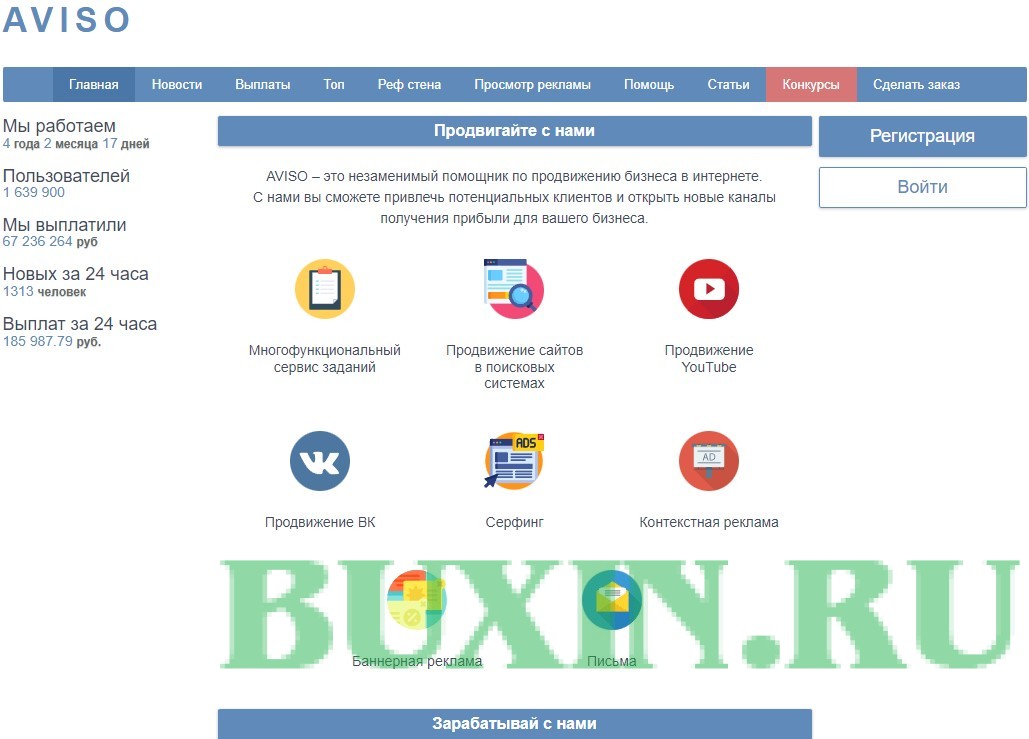
заработок на буксе Aviso

  Дополнительный заработок на буксе Aviso Вот так выглядит главная страница одного из самых успешных и прибыльных буксов. Как можно видеть —...